About

The original 840 acre estate was established by the Price family in Jamaica’s Lluidas Vale in 1670. Located in Saint Catherine Parish at 1,150 feet of elevation, Worthy Park sits almost dead center on the island. The area averages a comfortable 73°F (22.8°C) and receives sixty inches (152 cm) of rain per year-good conditions for growing cane, if a bit removed from metro Kingston (a forty mile drive by car).
The estate changed hands in 1863, 1899, and once again in 1918 when Fred Clarke purchased Worthy Park for £44,000. Due to a bit of unfortunate timing, Fred Clarke never realized the long-term financial stability he sought, but through his tireless efforts he was able to leave a strong legacy for his children to take over. In the waning years of his life, Fred tripled cane cultivation, doubled the cane yield per acre, and increased overall production eight-fold. Today, the estate comprises over 10,000 acres, 40% of which is used for sugar, where as many as twenty different cultivars are grown. The estate owns and operates its own sugar mill, and as such the distillery has ready access to an ample supply of high quality molasses.
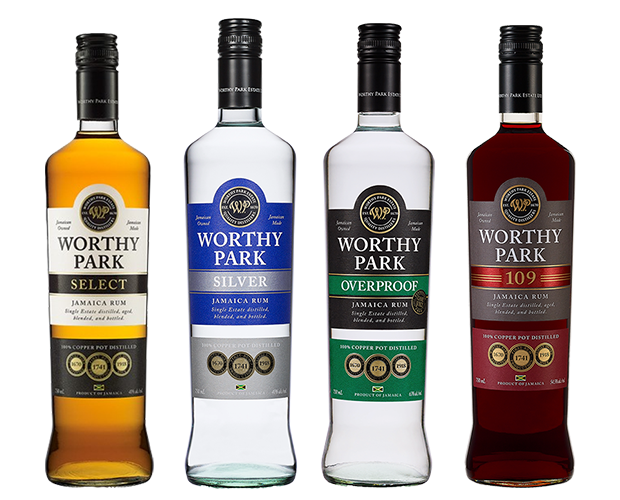
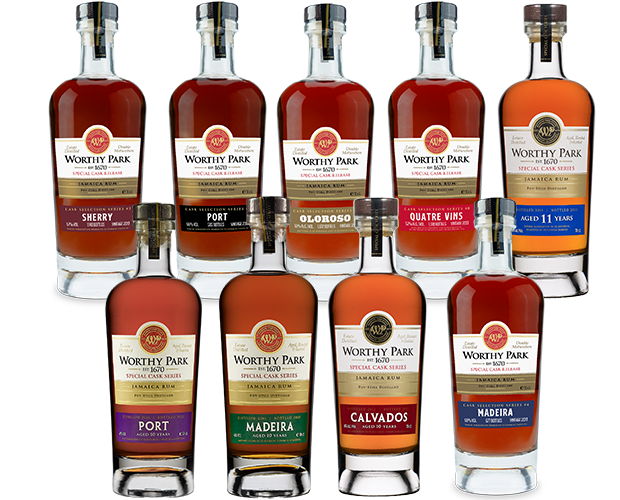
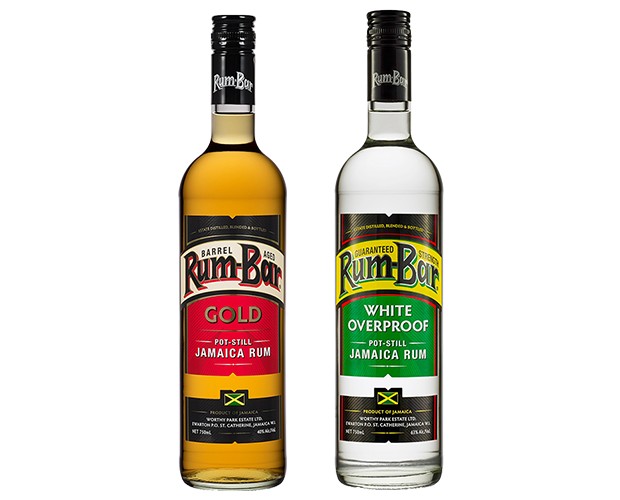
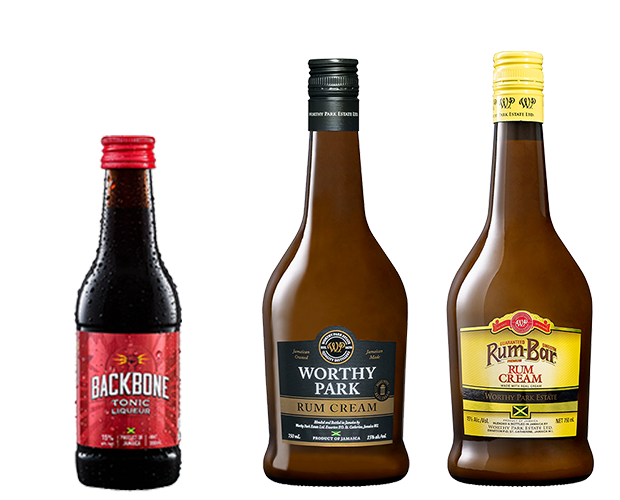
In 2005, a new distillery was built, and in 2007 Worthy Park began shipping rum once again after a forty-five year break. The new still was built by Forsyths in Scotland, and is the classic pot and twin retort arrangement famous throughout the Caribbean. The distillery was the brainchild of Fred’s great-grandson Gordon Clarke, who today is the Co-Managing Director of Worthy Park, and the driving force behind the Rum Bar and Worthy Park rum brands.
The Clarke Family
Henry Clarke
Henry Clarke emigrated to Jamaica in 1846 (age 18) and became an Anglican Minister. Founding member of the Westmoreland Building Society (now the Jamaica National Building Society).
Frederick Lister Clarke
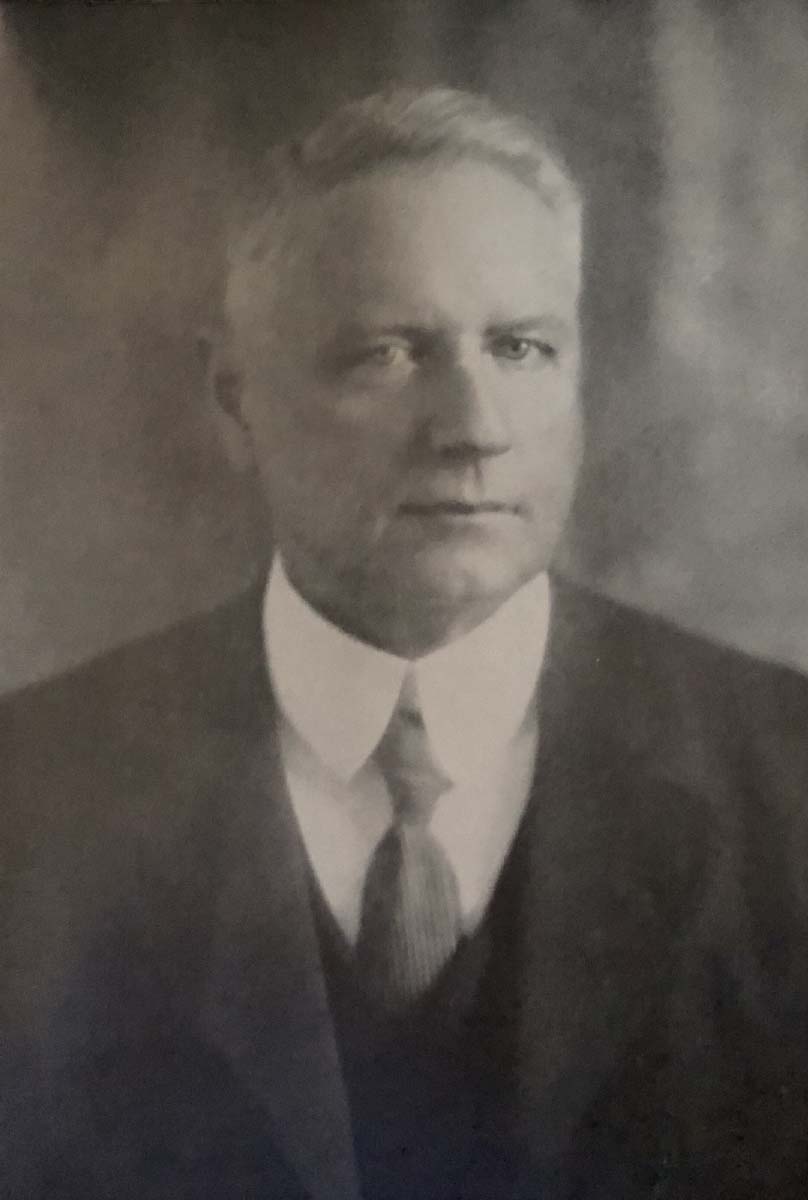
One of Henry’s five sons, Frederick Lister Clarke (pictured) acquired Worthy Park for £44,000 (approx. £2.8million adjusted for inflation).
Clement, Owen & George Clarke
Frederick continued to expand Worthy Park and operation of the estate was continued by his three sons – Clement, Owen and George – after his death in 1932.